The Importance of Play Kitchens in Early Childhood Development
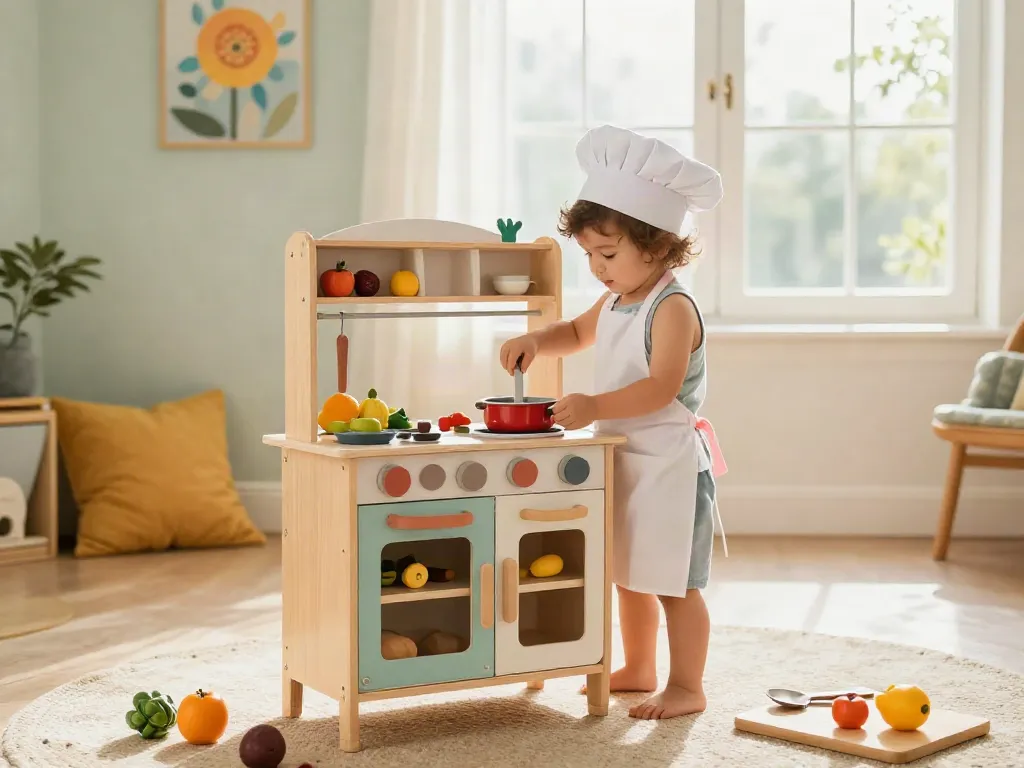
Play kitchens are more than just toys; they are fundamental tools in enhancing early childhood development. These vibrant and engaging playsets provide a platform for children to explore their creativity, learn essential life skills, and engage socially with peers. When exploring options, play kitchen sets come in various styles, encouraging imaginative play that mimics real-life cooking experiences.
How Play Kitchens Enhance Creativity
At the core of childhood play is creativity. Play kitchens stimulate this creativity by providing a blank canvas for children to construct their own narratives. When children "cook", they invent stories, role-play scenarios, and express themselves through dramatic play. For example, a play kitchen can transform into a bustling restaurant or a cosy family home kitchen, allowing kids to explore different roles and responsibilities.
Moreover, through the act of pretending, children use their imagination to create elaborate meals, plan parties, or even negotiate with friends over the menu. This not only fosters creativity but also sharpens their cognitive skills as they think critically about the tasks at hand.
Developmental Benefits of Pretend Play
Pretend play, particularly using play kitchens, is crucial for holistic development in children. It has been shown to enhance their motor skills as they manipulate various kitchen tools and utensils. Children learn to pour, stir, chop (safely), and serve – all while developing fine motor skills and hand-eye coordination.
Additionally, engaging in pretend play promotes problem-solving abilities. For instance, if a child pretends to bake a cake and realises they need to find a way to make it rise, they might experiment with different items to represent ingredients. This experimentation lays the foundation for scientific thinking.
Social Skills Through Role-Playing
Playing with kitchens also serves as a social connector for children. When they engage in group play, they learn to negotiate, share, and collaborate. Children often take on different roles, such as chef, waiter, or customer, learning the dynamics of social interaction in a fun and safe environment.
This role-playing experience helps children develop empathy as they understand different perspectives and emotions. It also promotes communication skills as they articulate their ideas and feelings through play, a fundamental aspect of their emotional intelligence.
Choosing the Right Play Kitchen for Your Child
When selecting a play kitchen, there are several factors parents should consider to ensure they choose the best option for their child's needs and developmental stage.
Factors to Consider: Age and Skill Level
Age appropriateness is paramount when selecting a play kitchen. Generally, kitchens are designed for toddlers and preschoolers aged 2 to 6 years, but the design features can vary significantly. A kitchen set for a toddler may focus on larger pieces with fewer small parts, encouraging free exploration, while those for older children might include more complicated elements to challenge their skills. Understanding your child's interests and capabilities will guide you in making the right choice.
Material Choices: Wooden vs. Plastic
The materials used in play kitchens significantly influence durability and safety. Wooden kitchens are often praised for their sturdiness and aesthetic appeal, providing a more realistic experience. They can also be more sustainable, appealing to eco-conscious parents. On the other hand, plastic kitchens can be lighter, easier to clean, and may come in more vibrant colours and interactive features such as sounds and lights. Weighing the pros and cons of each material will help determine which best suits your home and lifestyle.
Size and Design: Fitting Your Space
Consider the space available in your home when choosing a play kitchen. Some kitchens are compact and designed for smaller rooms, while others are larger and might need dedicated play areas. Additionally, the design can influence how the kitchen integrates with existing decor. A beautifully designed wooden kitchen can add an aesthetic charm to your living space, while a vibrant plastic kitchen can provide a playful touch.
Incorporating Accessories for a Complete Experience
Accessories are not just additional items; they enhance the play kitchen experience, offering children a more imaginative and interactive environment.
Essential Play Kitchen Accessories
To truly maximise the play kitchen experience, consider investing in essential accessories such as pots, pans, utensils, and food items. These components allow children to mimic real cooking tasks and engage more deeply with their imaginative scenarios. Furthermore, many accessory sets come with interactive features, such as pots that make sound or food that can be cut, adding another layer to the play experience.
DIY Ideas for Customised Kitchen Tools
For those looking to add a personal touch, creating DIY kitchen tools can be a fun family activity. Crafting simple items like a wooden spoon or decorative food from felt can enhance the play kitchen and promote creativity. This process not only personalises the play experience but also provides an opportunity for parents to bond with their children through crafting.
Benefits of Themed Accessories
Themed accessories can also encourage specific types of play. For example, a bakery set can inspire children to host their own bakery, complete with cupcakes and pastries, while a barbecue set may lead to outdoor cooking adventures. These themes not only make playtime more exciting but also allow children to explore various cultures and cuisines, broadening their horizons.
Creating Engaging Play Scenarios
To truly bring the play kitchen to life, parents can assist in engineering engaging scenarios that spark creativity and collaboration among children.
Cooking with Friends: Encouraging Group Play
Encouraging group play is vital for social development. Organising a cooking session where children work together to prepare a meal can teach teamwork and sharing. This type of collaborative play also fosters communication skills, as they discuss what to make, how to use their tools, and even how to manage time effectively during their culinary adventures.
Seasonal Themes and Special Events
Integrating seasonal themes into play can keep the experience fresh and exciting. For instance, during the winter holidays, children can create festive treats, or they might prepare a summer picnic in the play kitchen. This not only enhances their imaginative play but also allows them to engage with cultural festivities and traditions, providing educational value.
Storytelling Integration with Play Kitchens
Storytelling can be seamlessly integrated into the play kitchen experience. Encourage children to create stories around their cooking adventures. For instance, they could pretend to travel to different countries to find ingredients or host a royal banquet. This narrative approach enhances their language skills and cognitive development, as they learn to construct and express complex ideas through storytelling.
Future Trends in Play Kitchen Sets and Experiences
The realm of play kitchens is evolving rapidly, with new trends emerging to meet the needs of modern families.
Eco-Friendly Materials and Sustainability
With growing awareness of environmental issues, there is a significant push towards eco-friendly materials in play kitchen designs. Manufacturers are increasingly opting for sustainable wood and non-toxic finishes. Parents are more inclined to select products that align with their values, and the industry is responding by developing greener, more responsible toys.
Technologically Enhanced Play Kitchens
Another trend is the incorporation of technology into play kitchens. Many new models now feature interactive elements such as digital cooking guides or integrated tablets that allow children to follow along with recipes. This tech-savvy approach can bridge the gap between traditional play and advanced learning, preparing children for a future where technology plays a central role.
Predictions for Play Kitchen Innovations by 2026
Looking ahead to 2026, we can anticipate more innovations in play kitchens, including modular designs that can be easily customised or upgraded as children grow. Additionally, augmented reality could play a part in creating immersive cooking experiences, where children can see virtual ingredients and recipes. As the landscape of children’s toys continues to change, play kitchens are sure to remain at the forefront of imaginative play.
What age should a kid get a play kitchen?
Experts suggest that children can start enjoying play kitchens from as early as 2 years old. At this age, they can engage in simple pretend cooking activities, which enhance their imaginative play. As children grow, their play can evolve into more complex scenarios, making play kitchens a long-term investment that grows with them.
How much does a play kitchen cost?
The cost of a play kitchen can range dramatically depending on the brand, size, and materials used. Generally, parents can expect to pay between £50 to £300 for a quality set. Investing in a play kitchen can be financially advantageous, as it serves as a versatile tool for development over several years.
Is it worth getting a play kitchen?
Absolutely! A play kitchen offers multiple developmental benefits, from enhancing creativity and social skills to improving fine motor capabilities. These versatile toys foster interactive play, making them an invaluable addition to any child's toy collection.
Which play kitchen is the best?
While the best play kitchen ultimately depends on individual preferences and space considerations, top contenders include wooden play kitchens by brands like KidKraft and Melissa & Doug, known for their durability and realistic features. Plastic options from brands like Step2 also provide engaging choices with interactive elements for a fun play experience.